Understanding Roles in a Strata Building
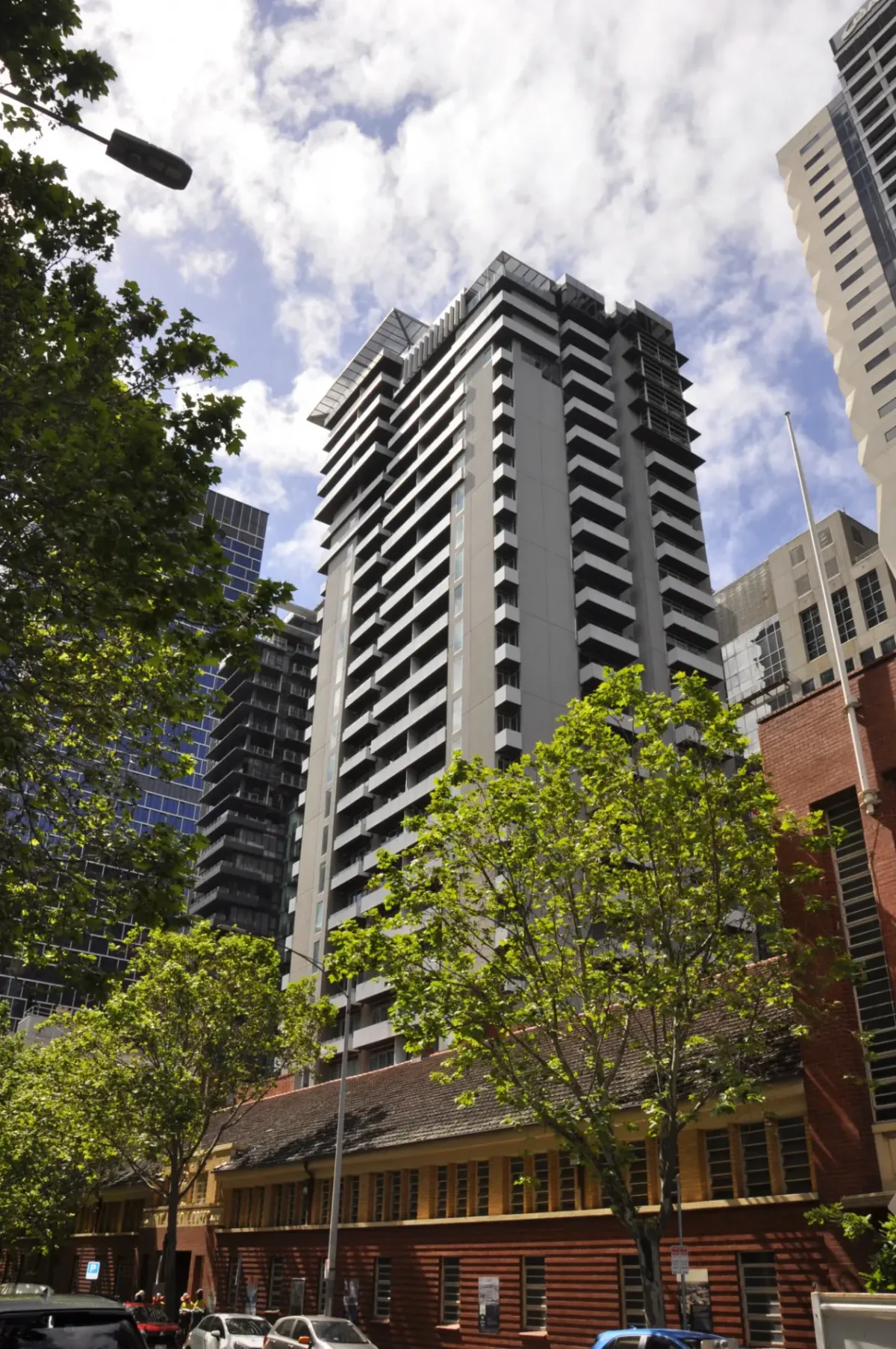
Strata living involves shared ownership and shared responsibility. While most owners are familiar with the term strata, there is often confusion about the distinct roles played by the Owners Corporation, the strata Committee and the strata Manager.
When responsibilities are unclear, even routine decisions can become delayed or contentious.
Understanding how these roles differ and how they work together is essential for sound governance and the smooth operation of a strata scheme. This article explains each role and clarifies where responsibility ultimately sits.
Key Takeaways:
- The Owners Corporation holds ultimate responsibility for the strata scheme, even when duties are delegated. This helps owners understand where authority and accountability sit.
- The strata Committee and strata manager have distinct, limited roles that support but do not replace the Owners Corporation. Clear boundaries reduce confusion and delays.
- Successful strata management relies on roles working together. When responsibilities are clear, decision-making is faster and outcomes are stronger.
What is a strata building?
A strata building is a property divided into individual lots and shared common property. Owners hold title to their individual lots, while common areas such as roofs, lifts, foyers and shared services are owned and maintained collectively.
Because ownership is shared, responsibility for managing the building is also shared.
To support this, strata buildings operate within a defined governance structure that sets out who is responsible for decisions, administration and compliance.
These responsibilities sit with three key roles:
- the Owners Corporation
- the strata Committee
- the strata manager
Each plays a distinct role within the strata scheme.
The Owners Corporation
The Owners Corporation (OC) is the legal body made up of all lot owners within a strata scheme. It is automatically created when a strata plan is registered, meaning anyone who owns a lot in a strata building is a member of the OC.
The OC holds ultimate legal responsibility for the management and administration of the building, even when certain tasks are delegated to a Committee or strata manager.
What the OC does
The OC is responsible for the overall governance and compliance of the strata scheme. This includes:
- maintaining and repairing common property
- setting and collecting levies
- managing budgets and funds
- taking out and managing building insurance
- ensuring compliance with strata legislation and regulations
- enforcing by-laws
- appointing and overseeing the strata Committee and strata manager
These responsibilities apply to the scheme as a whole and remain with the OC at all times.
Who makes decisions in a strata scheme?
While many functions can be delegated, decision-making authority ultimately rests with the OC.
Major decisions are made through resolutions passed at general meetings, such as the Annual General Meetings (AGMs) or Extraordinary General Meetings (EGMs).
All owners are entitled to vote on matters that affect the building.
The strata Committee
The strata Committee is a smaller group of owners elected by the OC to represent it between general meetings. Committee members are typically volunteers and may include office holders such as a Chairperson, Secretary and Treasurer.
The Committee acts on behalf of all owners but does not replace the OC or assume its legal responsibilities.
What the strata Committee does
The Committee oversees day-to-day operational matters and provides leadership between general meetings. This typically includes:
- making routine operational decisions
- overseeing maintenance and repairs
- liaising with the strata manager and contractors
- monitoring financial performance and compliance
- enforcing by-laws where required
- representing owners’ interests on operational matters
Limits of the Committee’s authority
The Committee operates within powers delegated by the OC and relevant legislation.
Significant decisions, including major expenditure, long-term contracts or changes to by-laws, usually require approval at a general meeting.
The strata manager
A strata manager is a licensed professional or management company appointed by the OC to assist with administrative, financial and compliance functions.
The strata manager does not own the building and is not the decision-maker. Their authority is limited to what has been delegated under a strata management agreement or formal resolutions.
What the strata manager does
Depending on the management agreement, a strata manager may:
- organise meetings and prepare agendas and minutes
- manage levy notices, collections and financial reporting
- coordinate maintenance and contractors
- maintain records and statutory registers
- support compliance with strata legislation
- assist with insurance administration and claims
While strata managers provide professional advice and administrative support, responsibility for decisions remains with the OC.
Who does the strata manager work for?
The strata manager is appointed by and accountable to the OC, typically acting under the direction of the strata Committee.
How these roles work together
These roles work together through a structured decision-making process, with each party operating within defined authority.
In practice:
- The OC sets the overall direction for the strata scheme and makes major decisions through formal resolutions at general meetings.
- The strata Committee acts on behalf of owners between general meetings, providing oversight and managing routine matters within its delegated authority.
- The strata manager supports both by delivering professional administration, guidance and compliance support in line with instructions received.
When these roles operate within their defined boundaries, decision-making is more efficient and accountability is easier to maintain.
This coordinated approach helps reduce delays, supports compliance and contributes to more consistent building management.
Why understanding these roles matters
Clear awareness of how responsibilities are allocated within a strata scheme helps owners and Committee members engage more confidently with the management process and make informed decisions.
Clear role definition supports:
- more confident participation in meetings and decision-making
- clearer lines of accountability when issues arise
- more consistent management of maintenance and building obligations
- reduced risk of governance and compliance issues
- better outcomes for owners and residents over time
This clarity is particularly important when assessing how a scheme is being managed, responding to ongoing challenges or considering changes to a strata management arrangement.
Are these roles working effectively for your building?
When the roles within a strata scheme are clearly understood, it becomes clear that these roles form the backbone of how a building operates and performs.
The effectiveness of a strata scheme depends not just on having these roles in place, but on how well they are fulfilled.
For OCs and Committees, this makes the quality of strata management a critical consideration.
StrataQuote supports this process by simplifying the search for a new strata manager and connecting buildings with providers suited to their needs.
FAQs About Strata Roles and Responsibilities
If a Committee cannot be formed, decision-making power generally stays with the Owners Corporation at general meetings and more reliance may fall on the strata manager for administrative coordination.
This can slow decisions and reduce owner oversight, making participation important.
Yes. Delegated authority can usually be changed or revoked through a formal resolution at a general meeting. This allows owners to adjust governance arrangements if roles are not being carried out as expected.
Owners can review meeting minutes, delegation schedules and the strata management agreement to see who is authorised to make specific decisions. Gaps or overlaps often signal governance issues that may need to be addressed.
The contents of this article or website are only intended to provide a general overview of the topics discussed. The author of this article makes no representations as to the accuracy or completeness of any information and the information is not intended to constitute investment, legal or professional advice. You should seek professional advice before acting or relying on any of the content. This article does not contain references to any specific company, organisation or individual, unless expressly specified.