Buildings with Defects Require Extra Management and Attention
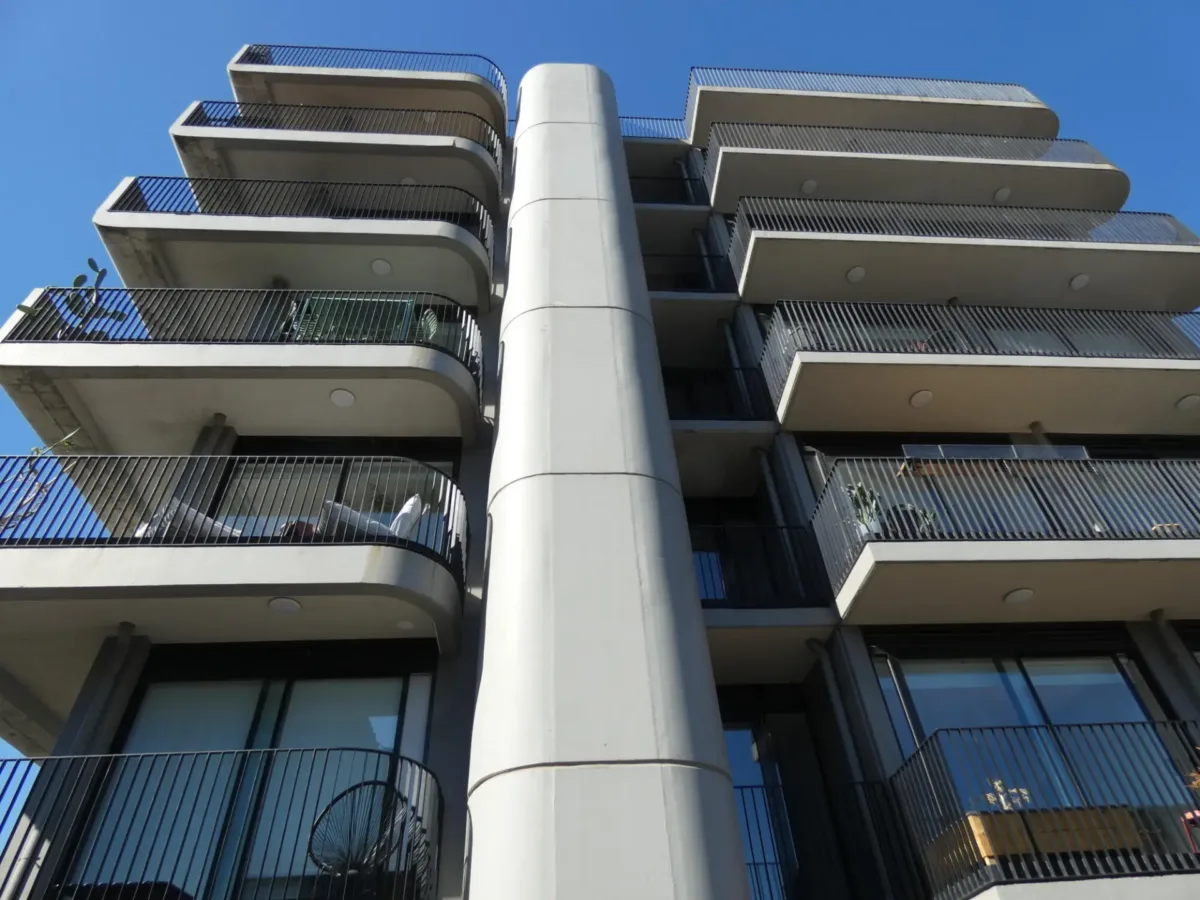
Buildings affected by structural, cosmetic or compliance-related defects require more than routine oversight. They demand proactive, experienced and hands-on management.
At Strata Quote, we have guided numerous Committees and Owners Corporations (OC) through complex defect resolutions and seen firsthand how effective management leads to efficient, transparent outcomes.
Key Takeaways:
- Defective buildings require proactive, skilled management to address complex legal, financial and operational challenges.
- Effective management restores stability, trust and transparency while protecting a building’s long-term value.
- Committees that act early and partner with experienced managers achieve stronger outcomes for their communities.
What are building defects?
Building defects are faults or deficiencies in the design, construction or materials of a property that cause it to perform below the required standard. They can range from minor cosmetic imperfections to serious structural or compliance failures.
Common examples include water leaks, cracking, poor waterproofing, electrical faults and fire safety non-compliance. Defects may appear soon after construction or emerge over time as materials deteriorate or workmanship issues become evident.
Understanding the type and extent of defects is essential for Committees to determine responsibility, plan rectification works and protect the value of the building.
Why defective buildings are different
Defects often extend beyond individual apartments, affecting both private lots and common property. These overlapping responsibilities create complex legal, financial and operational challenges for Committees.
For example, a mid-1990s complex in central Melbourne experienced:
- walls not built straight
- smoke alarms failing when units were unoccupied
- bathrooms without waterproofing lining
- non-fire-rated main doors
These widespread defects were only discovered after new owners moved in, highlighting the importance of thorough defect assessments and ongoing vigilance.
The impact of defects on owners and communities
Building defects affect more than the structure of a property. They impact the people who live and invest in it. Unresolved issues can cause frustration, financial strain and uncertainty among owners and residents, often undermining trust in both the developer and the Committee’s management.
Defects can also lower property values, complicate insurance renewals and increase maintenance costs over time. More importantly, they disrupt daily life and can weaken trust within the community.
Effective defect management is not just about fixing problems. It is about restoring confidence, stability and transparency for everyone involved.
What effective management looks like
Managing a defective building requires more than traditional strata administration. It calls for structure, persistence and a collaborative approach.
A capable strata manager will:
- Conduct frequent inspections: one manager carried out more than 20 visits to a single site to monitor works and coordinate contractors.
- Coordinate builders and trades: managers often need to chase down and follow up with builders who delay or avoid defect rectification.
- Commission specialist reports: independent assessments of fire safety, waterproofing or electrical systems are often required to support defect claims.
- Navigate legal and regulatory processes: managers must understand VCAT procedures, OC legislation and insurance frameworks.
In one case, a manager successfully mediated between a builder and a Committee despite contractor delays and handover complications, demonstrating the persistence required to achieve resolution.
The role of the strata manager
A professional strata manager plays a pivotal role in guiding Committees through the defect process. Their responsibilities include:
- identifying and documenting defects
- advising on legal pathways and strategy
- coordinating with engineers, insurers and builders
- managing communication with owners and residents
- maintaining compliance with the Owners Corporations Act 2006
While managers can assist with defects that affect common property, issues within individual lots may require direct owner action or collective legal involvement.
What Committees should do
As a Committee, you play a key role in managing building defects from the start. Taking a structured and well-documented approach helps prevent delays and keeps issues properly addressed.
If your building has known or suspected defects, you should:
- Obtain a professional defects report from a qualified building consultant.
- Hold a Special General Meeting (SGM) to review findings and agree on next steps.
- Engage an experienced strata manager with proven expertise in defect management, not just administrative work.
- Keep detailed records of all communications, inspections and contractor responses.
- Seek legal advice if the builder or developer is unresponsive.
A clear and consistent process enables Committees to manage defects effectively and protect the interests of all owners.
Strengthening buildings through better management
Defective buildings present more than maintenance issues. They are governance, compliance and communication challenges that require careful coordination.
They need managers who are not only responsive but also strategic, persistent and skilled in defect resolution.
At Strata Quote, we make this process easier by connecting Committees with strata management companies in their area. Our service saves Committees the time and hassle of researching options or sending multiple enquiries, ensuring you find the right management partner efficiently.
If you’re looking to change your current OC manager, we make your search simpler and smarter by bringing reliable strata management options together in one platform.
FAQs: Strata Defect Management
Some defects such as waterproofing or structural issues may stay hidden until damage appears. Engaging a qualified building consultant or engineer to inspect common property and shared systems is the best way to detect potential or emerging defects early.
If a builder or developer fails to act and the defect affects common property, the OC may pursue the builder under statutory warranty provisions or apply to VCAT. A strata manager experienced in defect resolution can assist with documentation, evidence gathering and coordination with legal or technical experts.
No. The OC is responsible for maintaining and repairing common property under the Act, while defects within individual lots are usually the responsibility of the lot owner. If a defect in a lot affects other lots or common property, the OC may need to step in to protect the wider building.
The contents of this article or website are only intended to provide a general overview of the topics discussed. The author of this article makes no representations as to the accuracy or completeness of any information and the information is not intended to constitute investment, legal or professional advice. You should seek professional advice before acting or relying on any of the content. This article does not contain references to any specific company, organisation or individual, unless expressly specified.